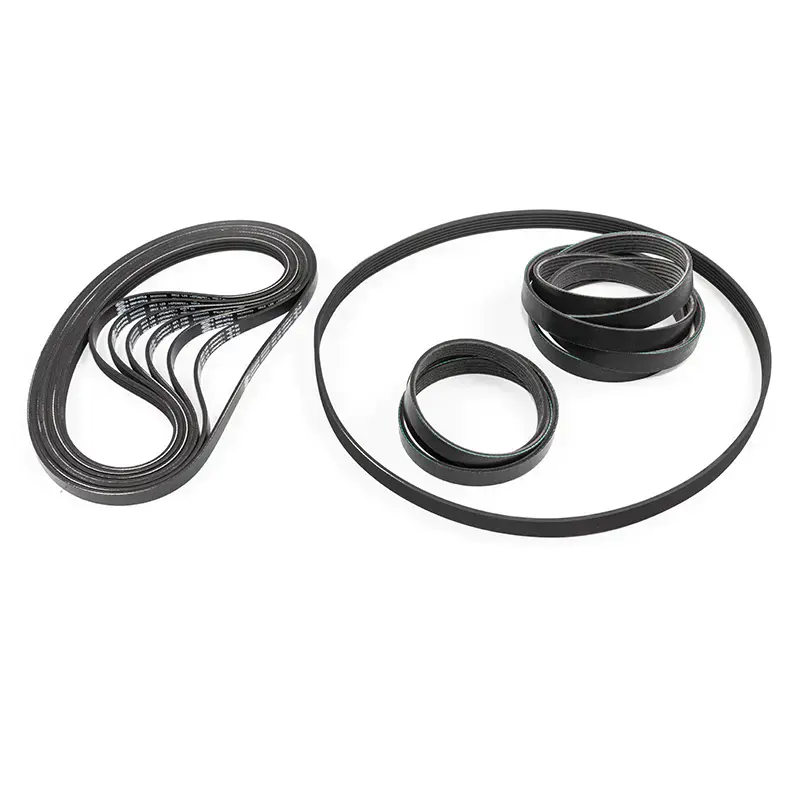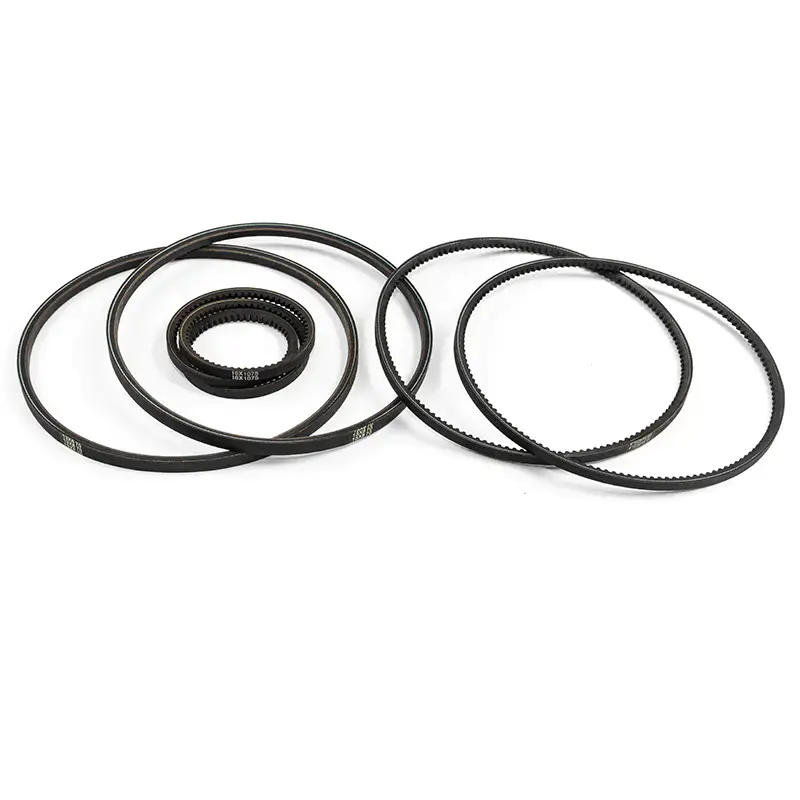
How does an Industrial V-Belt perform in high-temperature environments compared to a ribbed (poly-V) belt?
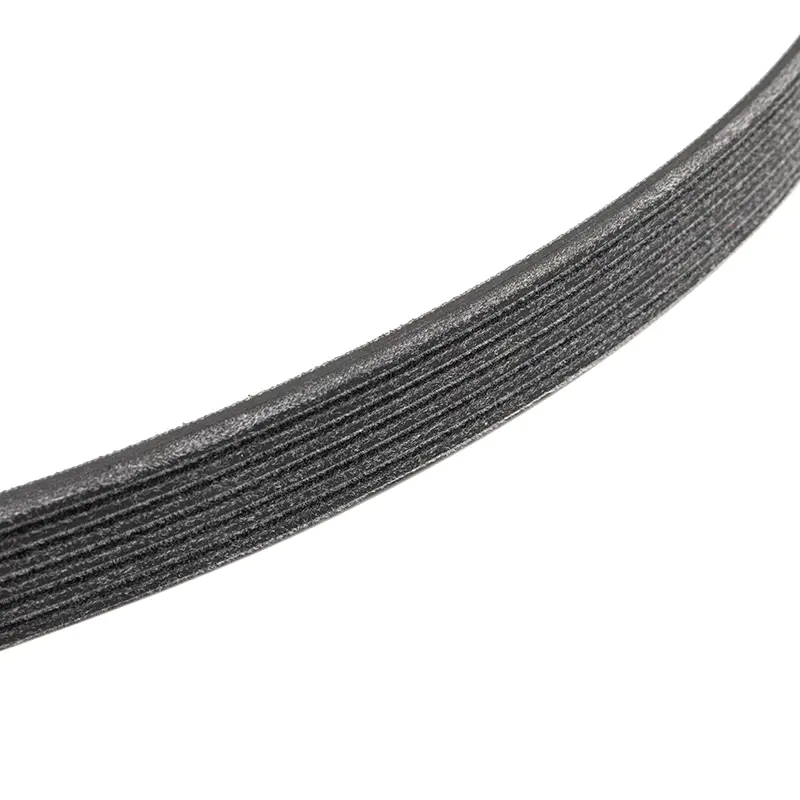
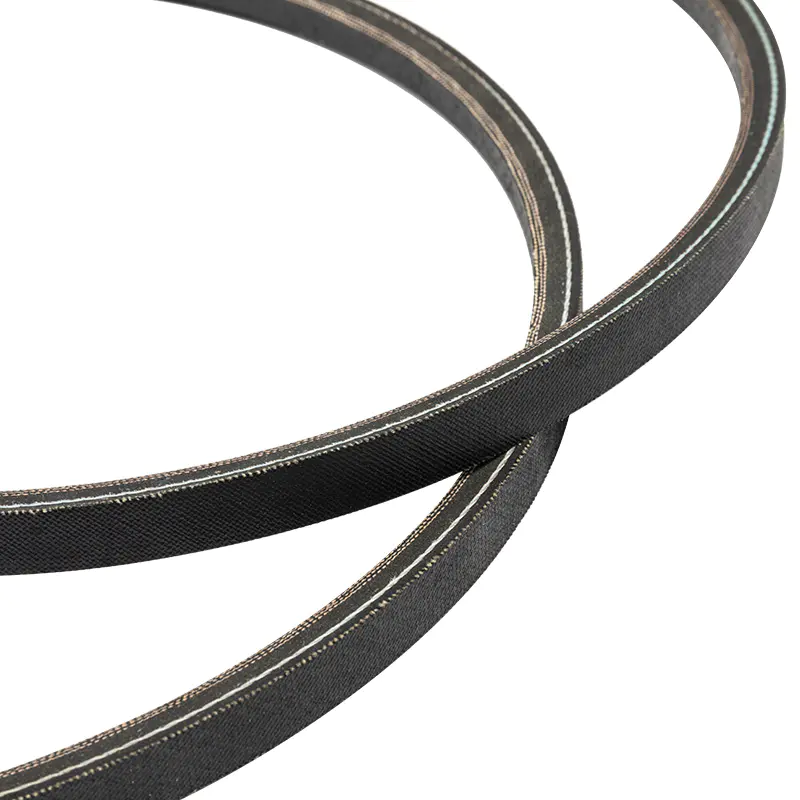
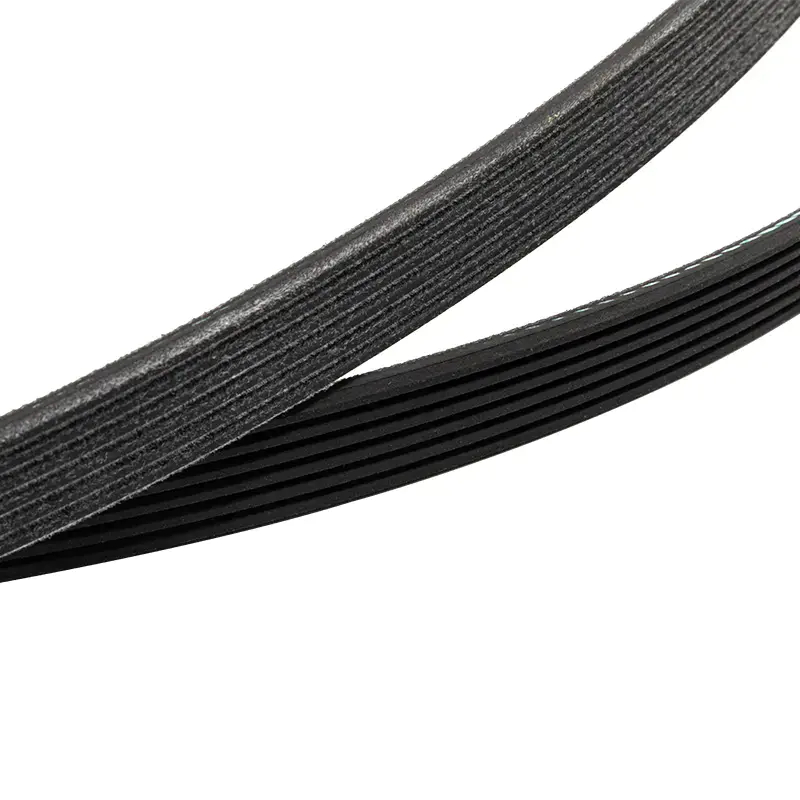
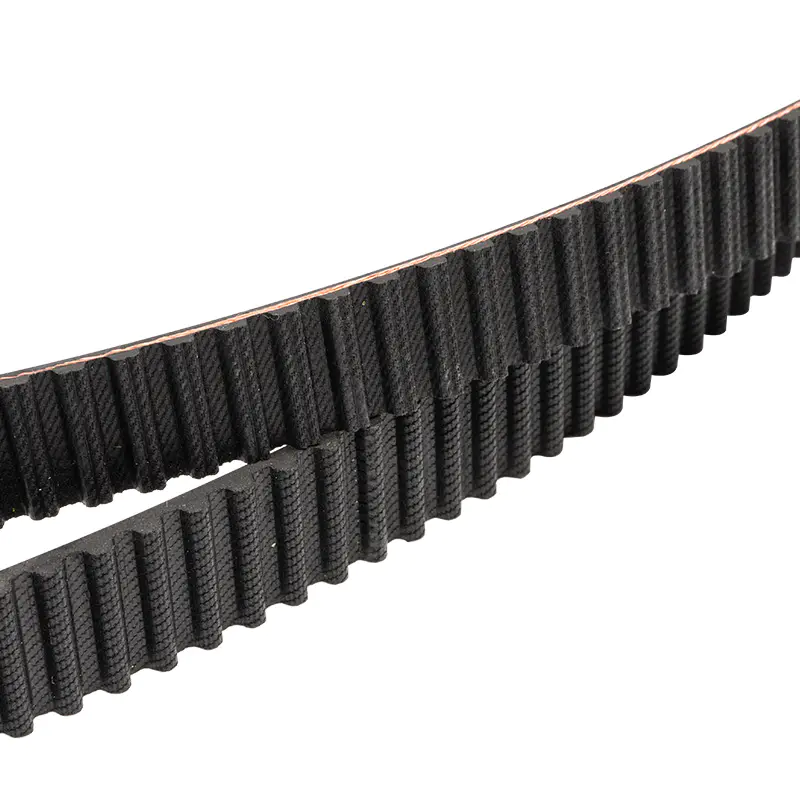
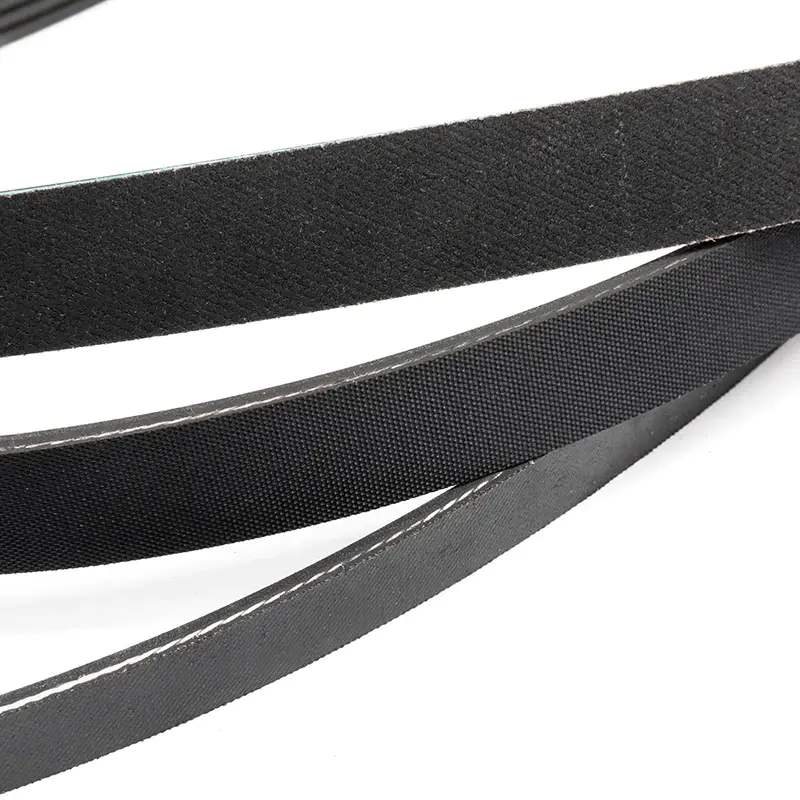
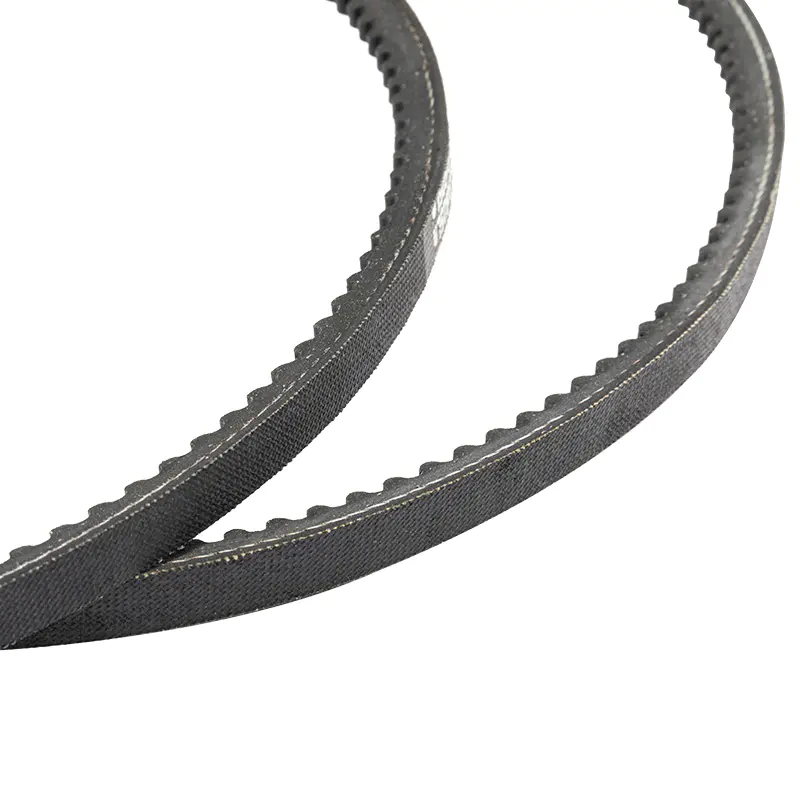
When selecting a drive belt for high-temperature industrial applications, the choice between an Ind...
View More >>
When selecting a drive belt for high-temperature industrial applications, the choice between an Ind...
View More >>
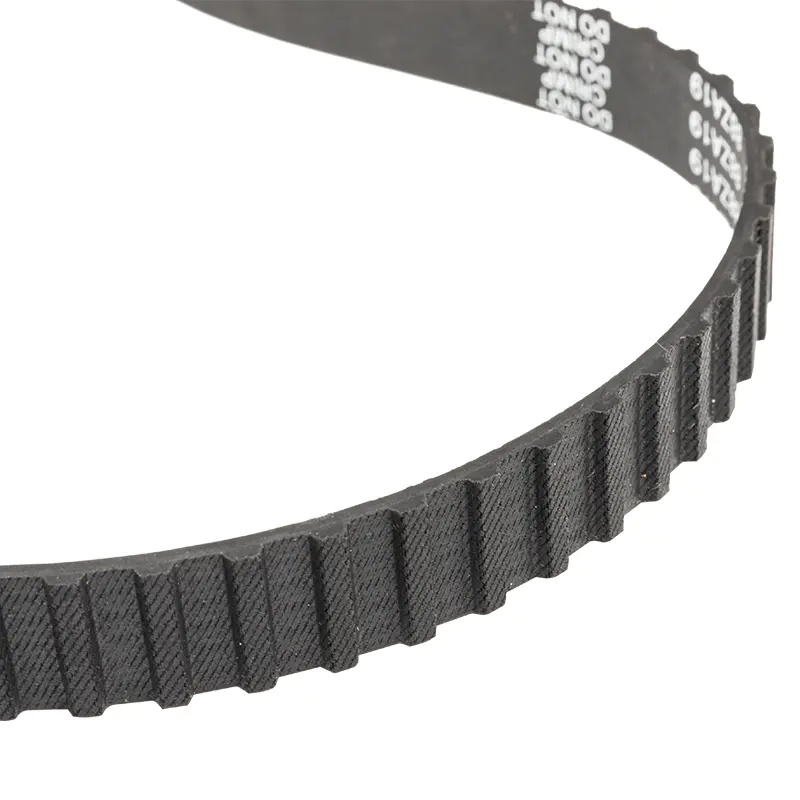
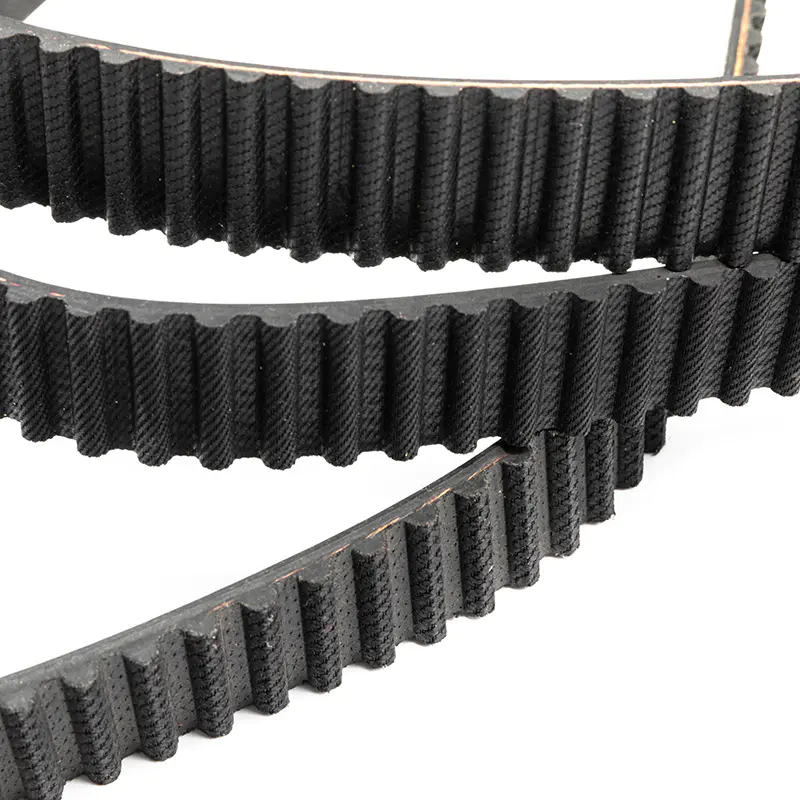
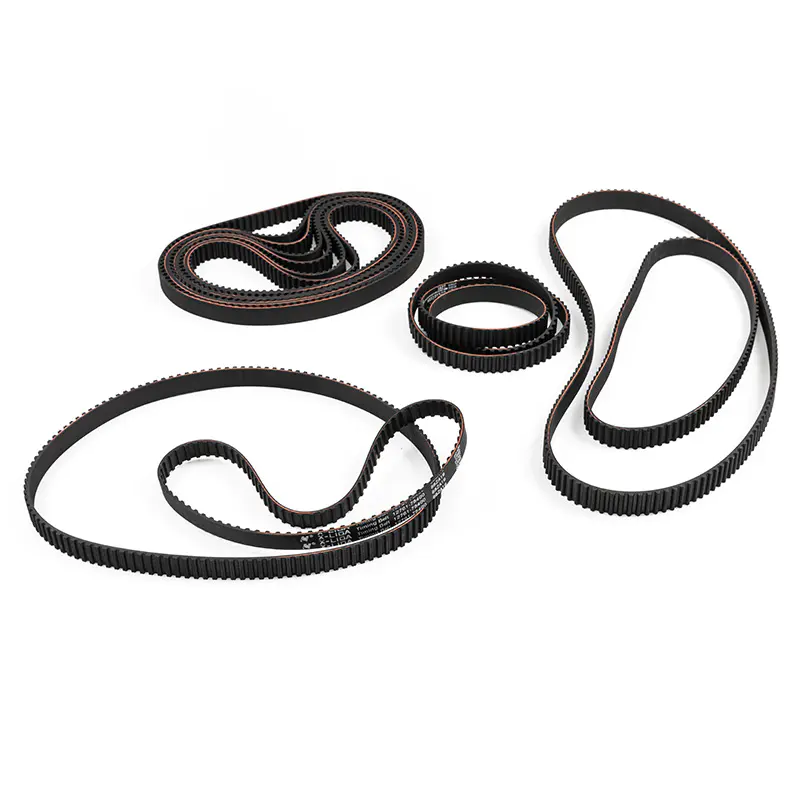
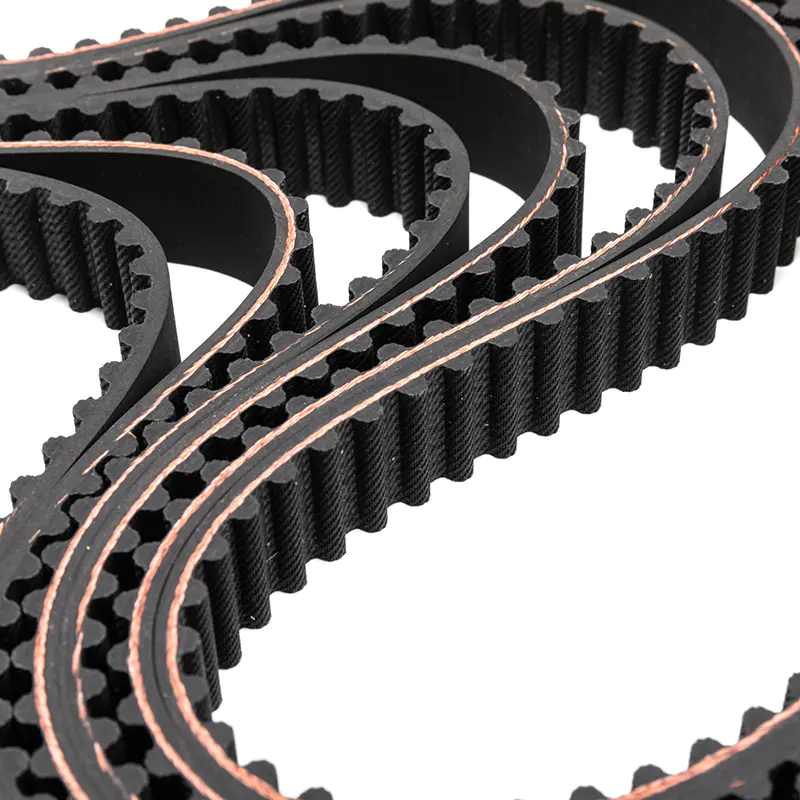
When it comes to high-RPM engine conditions, the toothed (synchronous) automotive timing belt is th...
View More >>
The core difference is this: a raw-edge Industrial V-Belt delivers superior grip and flexibility, w...
View More >>
The static-conductive Industrial V-Belt is not just a performance upgrade — it is a critical safety...
View More >>
When it comes to high-torque power transmission, Raw Edge V-Belts consistently outperform wrapped V...
View More >>
The timing belt tensioner and idler pulley are two critical components that work together to keep t...
View More >>
The raw edge construction of a Raw Edge V-Belt directly increases power transmission efficiency by ...
View More >>
Direct Impact of Belt Slip on Efficiency Belt slip in an Automotive Raw Edge V-Belt system directly...
View More >>
Key Differences Between Automotive V-Ribbed Belt and Traditional V-Belt The primary distinction bet...
View More >>
Timing Belt Significantly Influences Engine Efficiency The Timing Belt directly affects engine effi...
View More >>
Quieter Performance with HNBR Belts Hnbr Rubber Automotive Timing Belts produce significantly lower...
View More >>
1. Reduction of frictional losses through optimized rib design: The ribbed geometry of Automotive ...
View More >>