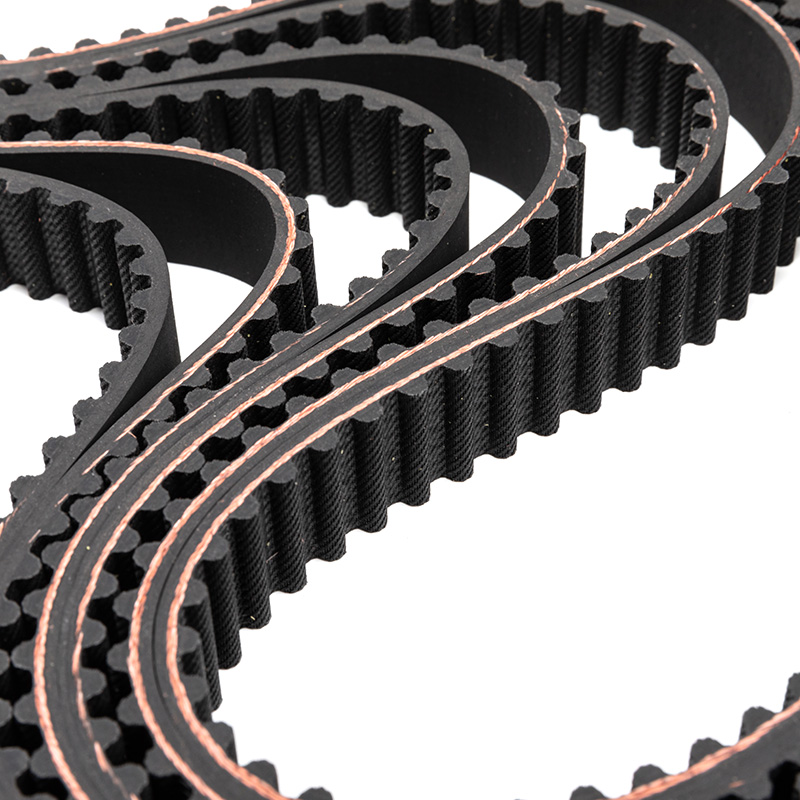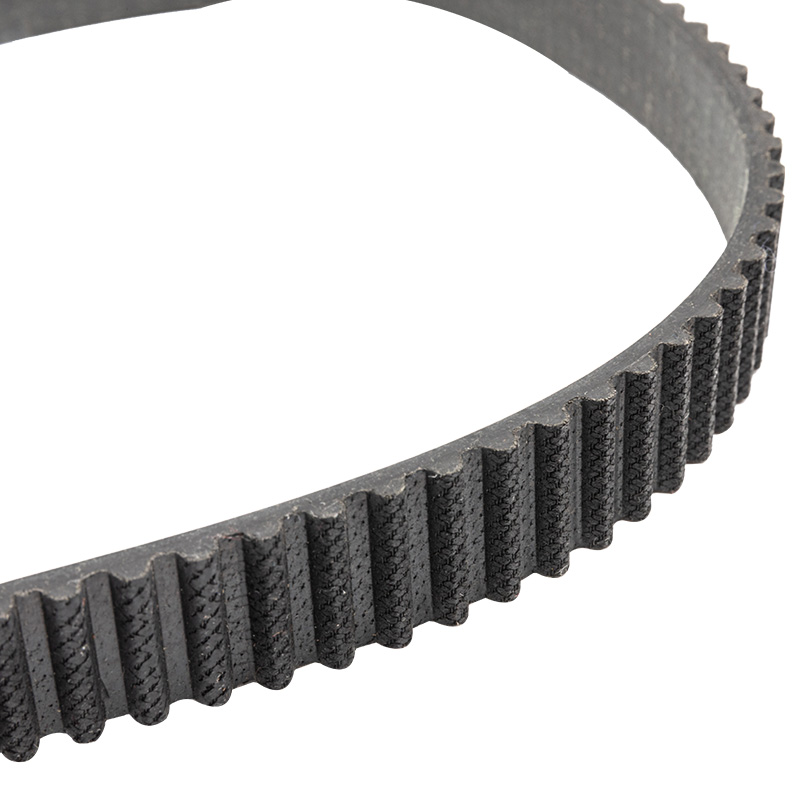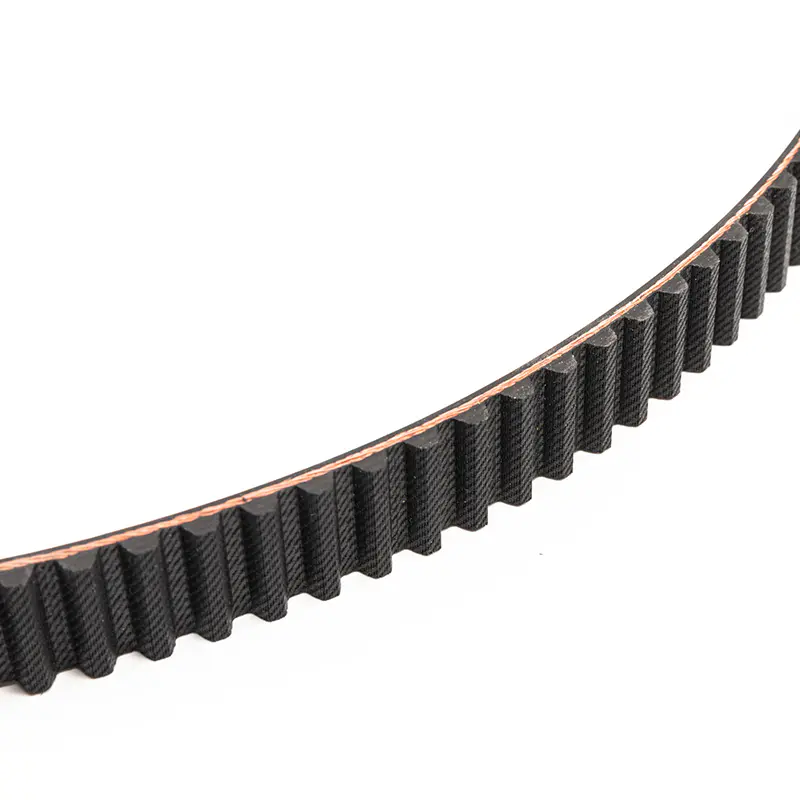
How does the chemical composition of HNBR Rubber Automotive Timing Belts affect their resistance to aging and ozone exposure?
Hydrogenated Nitrile Butadiene Rubber (HNBR) Base Structure: The primary polymer used in HNBR Rubb...
View More >>
Hydrogenated Nitrile Butadiene Rubber (HNBR) Base Structure: The primary polymer used in HNBR Rubb...
View More >>
1. Conducting NVH (Noise, Vibration, Harshness) Analysis and Diagnostic Testing Assessing the noise ...
View More >>
Expanded: Efficiency Differences Between Automotive Raw Edge V-Belts and Wrapped V-Belts Automotive ...
View More >>
Role of Idler Pulleys in Guiding and Stabilizing the Timing Belt Idler pulleys in Automotive Timing ...
View More >>
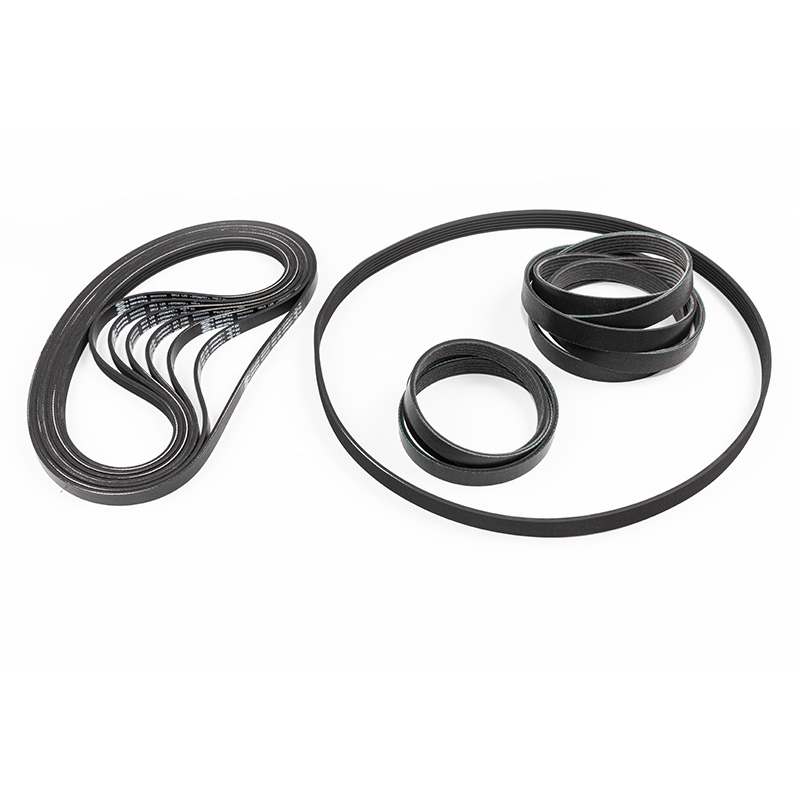
Structural Flexibility through Multi-Rib Geometry One of the primary ways Automotive V-Ribbed Belts ...
View More >>
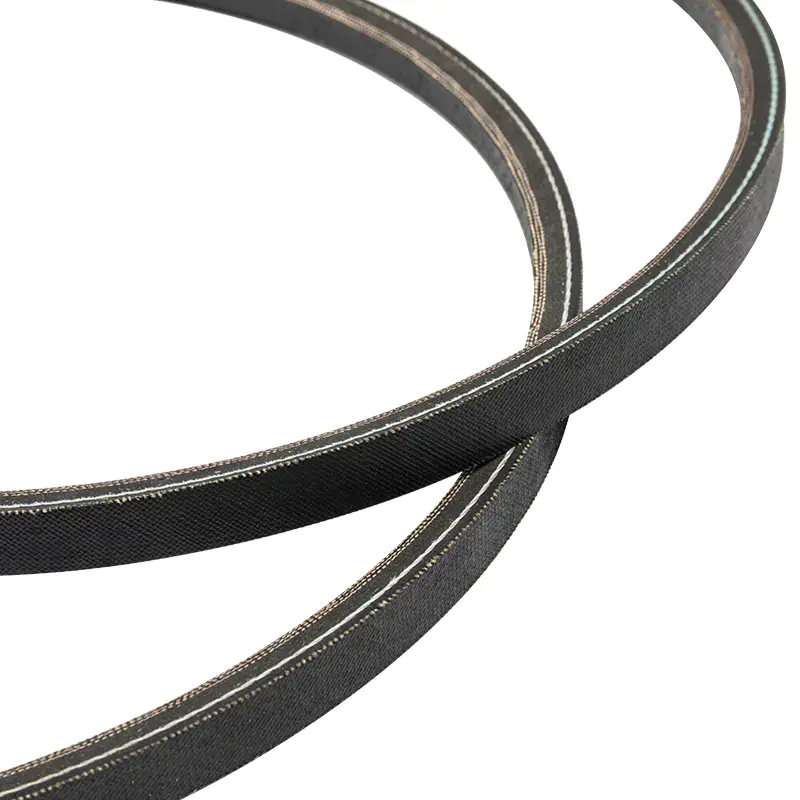
Design and Structure Automotive Raw Edge V-Belts have a more traditional design, featuring raw, unwr...
View More >>
1. Influence of Tension on Power Transmission Efficiency Industrial V-Belts transfer mechanical ener...
View More >>
1. Optimizing Power Transmission Efficiency Industrial V-Belts transmit energy through friction betw...
View More >>
Width of the Automotive V-Ribbed Belt Increased Width for Higher Power Transmission The width of...
View More >>
The Automotive Timing Belt serves as the critical link between the crankshaft and the camshaft, two ...
View More >>
One of the most significant advantages of the ribbed design in Rubber V-Ribbed Belts is the substant...
View More >>
Ozone is a highly reactive molecule, and when rubber materials are exposed to it, the ozone molecule...
View More >>