What role does an Automotive Timing Belt play in preventing engine misfires and maintaining optimal combustion efficiency?
The primary role of an Automotive Timing Belt is to synchronize the rotation of the camshaft with th...
View More >>
The primary role of an Automotive Timing Belt is to synchronize the rotation of the camshaft with th...
View More >>
The width of an Automotive Timing Belt plays a crucial role in determining the belt’s ability to eff...
View More >>
Elasticity and Load Accommodation: The elasticity of CR Rubber Automotive Timing Belts is a fundamen...
View More >>
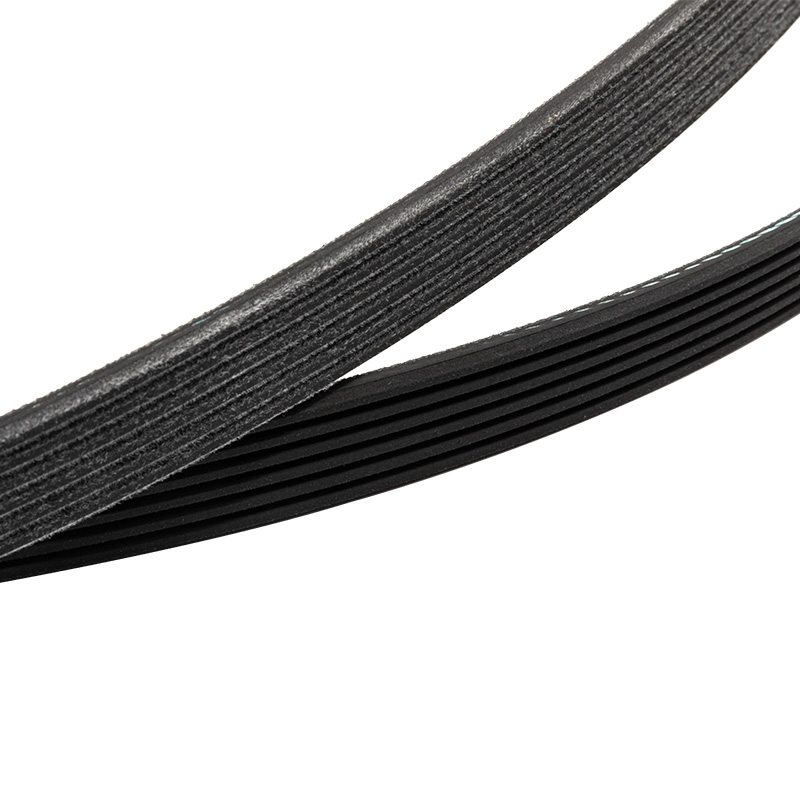
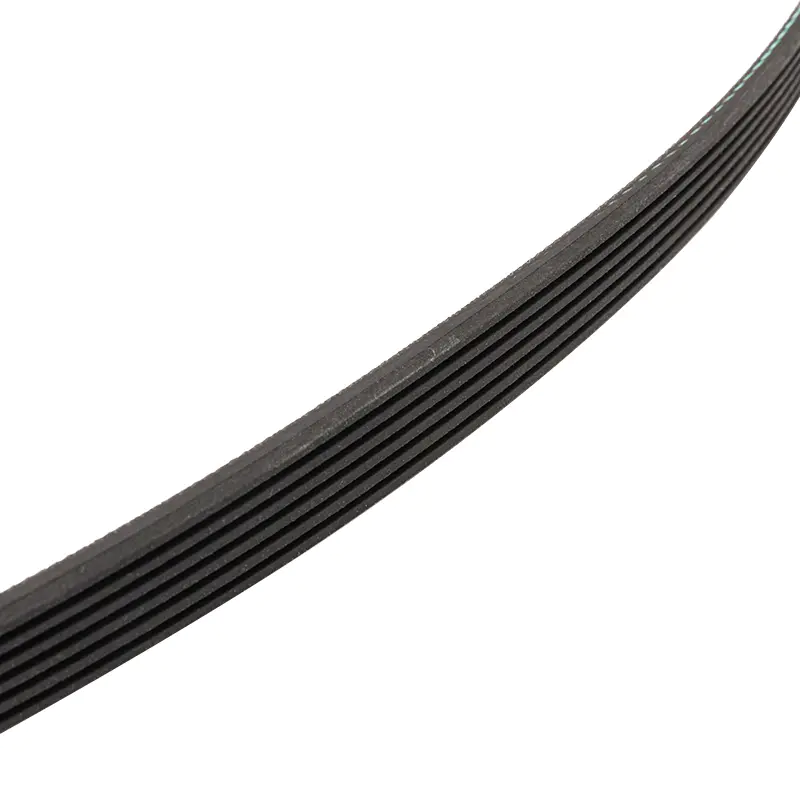
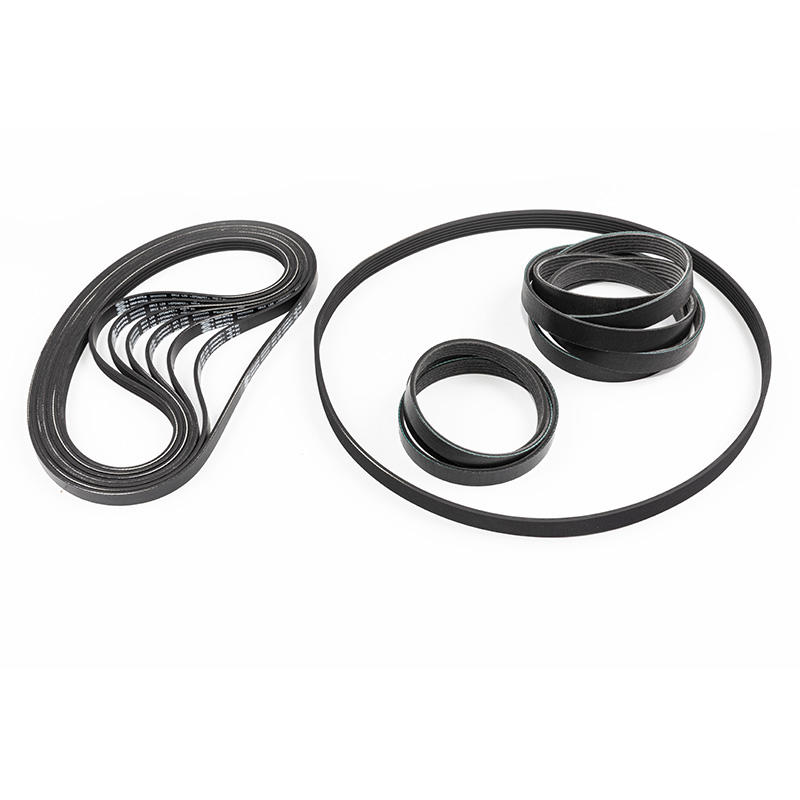
The ribbed design of Automotive V-Ribbed Belts results in a larger contact area between the belt and...
View More >>
The backbone of the belt’s ability to withstand elevated temperatures without loss of grip lies in t...
View More >>
Abrasion resistance is a key factor in ensuring the longevity and functionality of timing belts. In ...
View More >>
Precise Synchronization: Automotive timing belts are designed to maintain a precise connection betwe...
View More >>
The primary function of an automotive timing belt is to transmit rotational motion to crucial engine...
View More >>
Improved Power Transmission: The groove angle directly affects the contact surface between the V-rib...
View More >>
Impact on Power Transmission Efficiency: The weight and flexibility of the Automotive Timing Belt pl...
View More >>
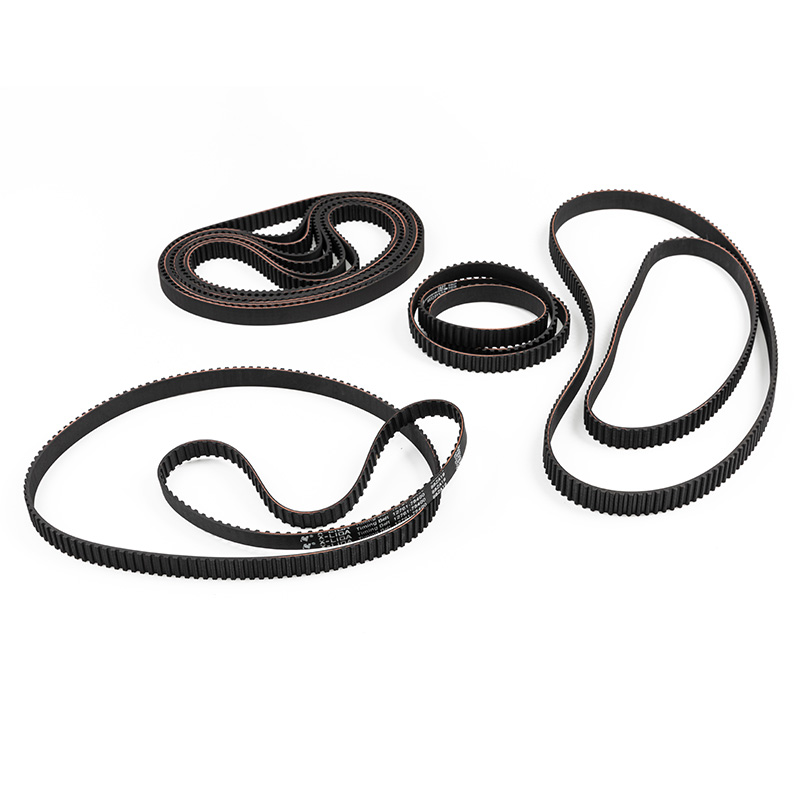
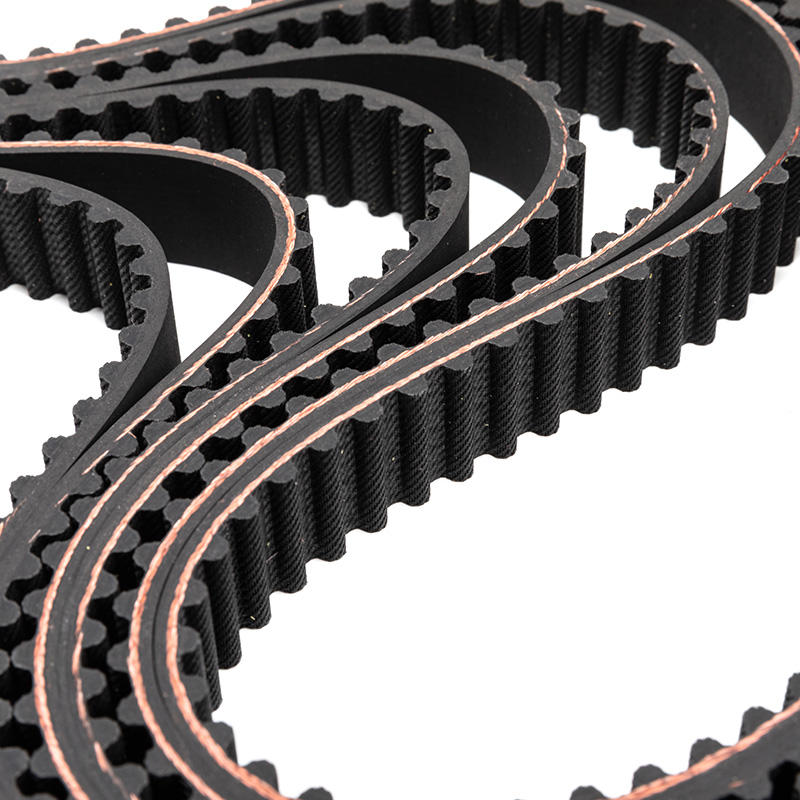
Single-Sided Timing Belts: Single-sided timing belts have teeth on one side of the belt and are used...
View More >>
EPDM Rubber Automotive V-Ribbed Belts are specifically engineered to deliver more effective power tr...
View More >>