In what ways does the Automotive V-Belt accommodate dynamic load changes and varying engine speeds without compromising efficiency?
The Automotive V-Belt is engineered using advanced rubber compounds that strike a precise balance be...
View More >>
The Automotive V-Belt is engineered using advanced rubber compounds that strike a precise balance be...
View More >>
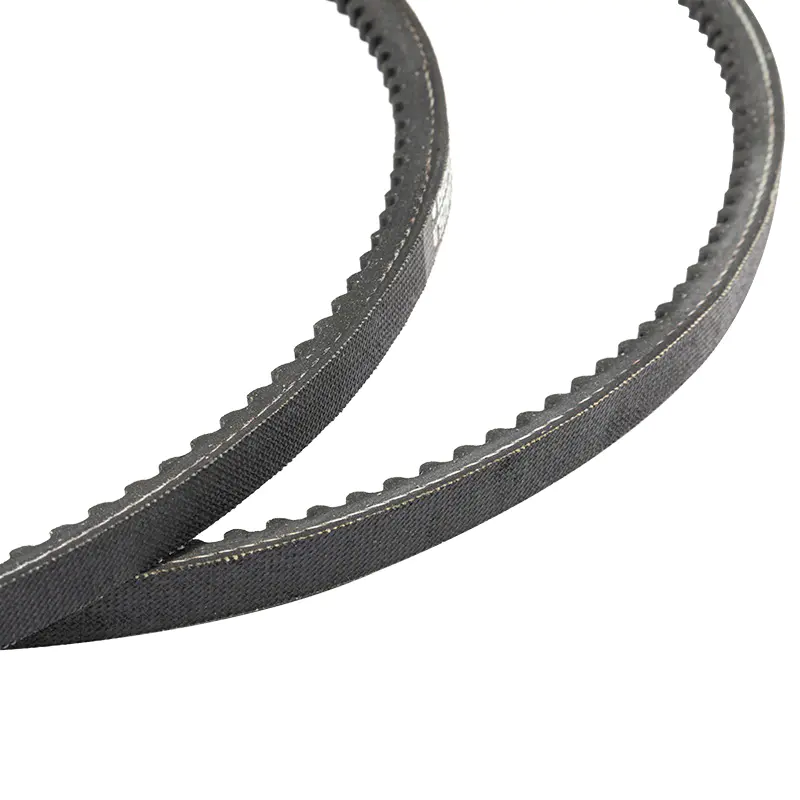
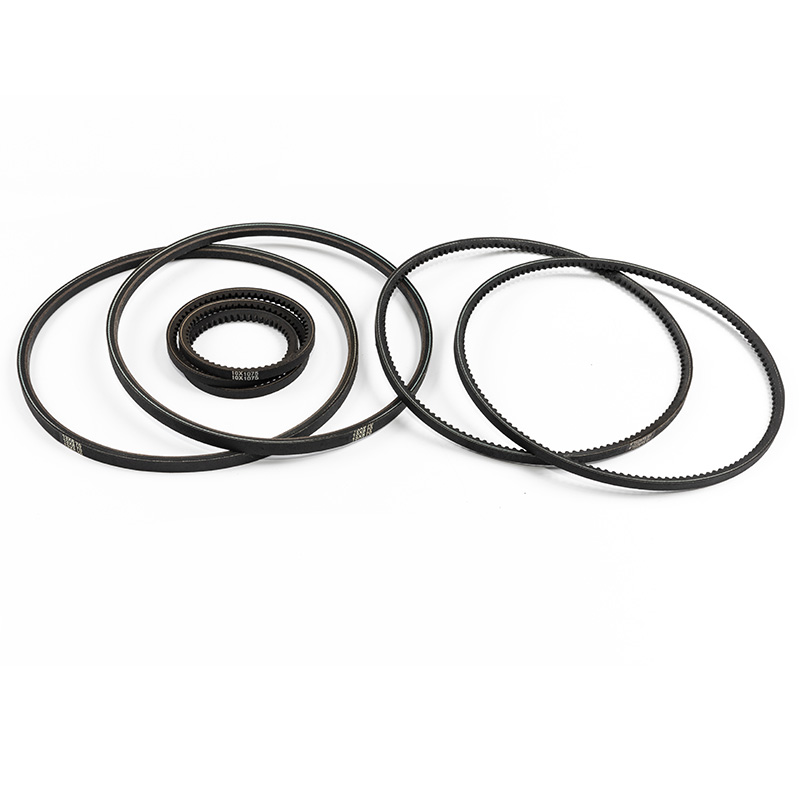
The surface texture of Automotive Raw Edge V-Belts plays a crucial role in the noise levels generate...
View More >>
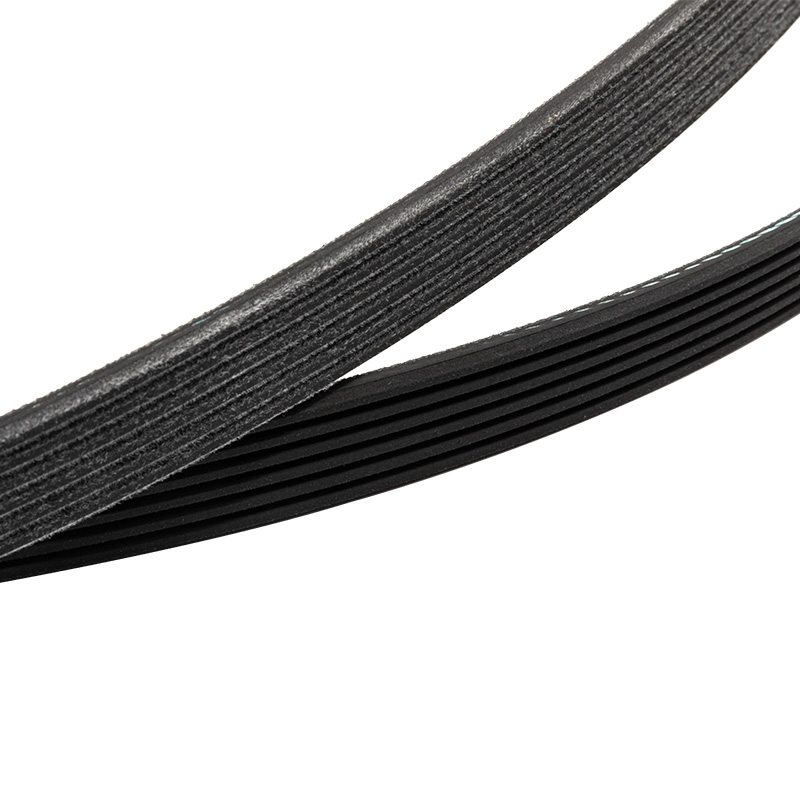
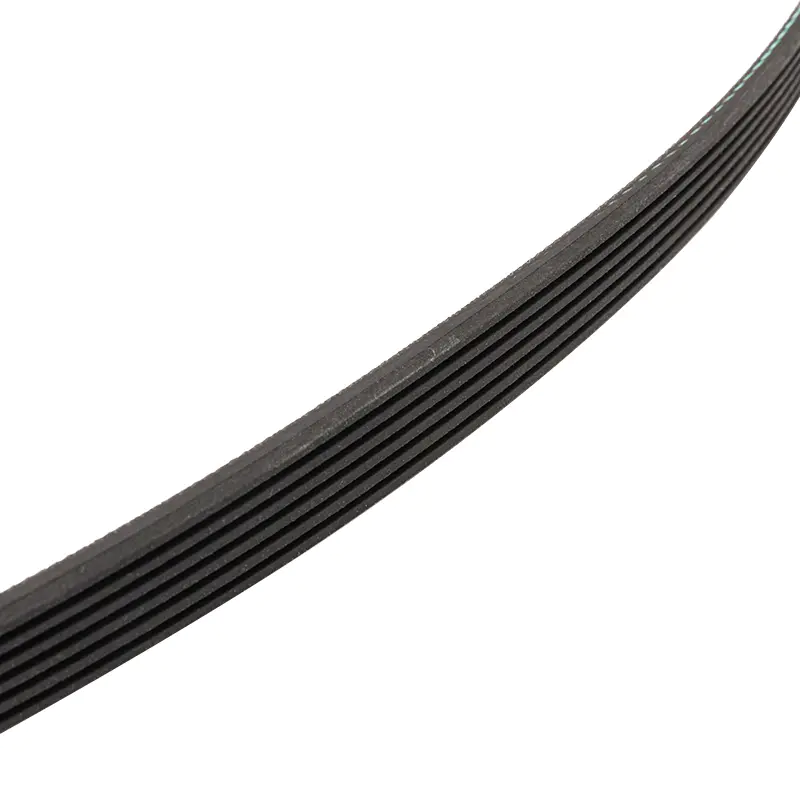
Material Composition: The Automotive V-Ribbed Belt is engineered using high-performance synthetic ru...
View More >>
The surface texture of an Industrial V-Belt plays a crucial role in its ability to resist wear over ...
View More >>
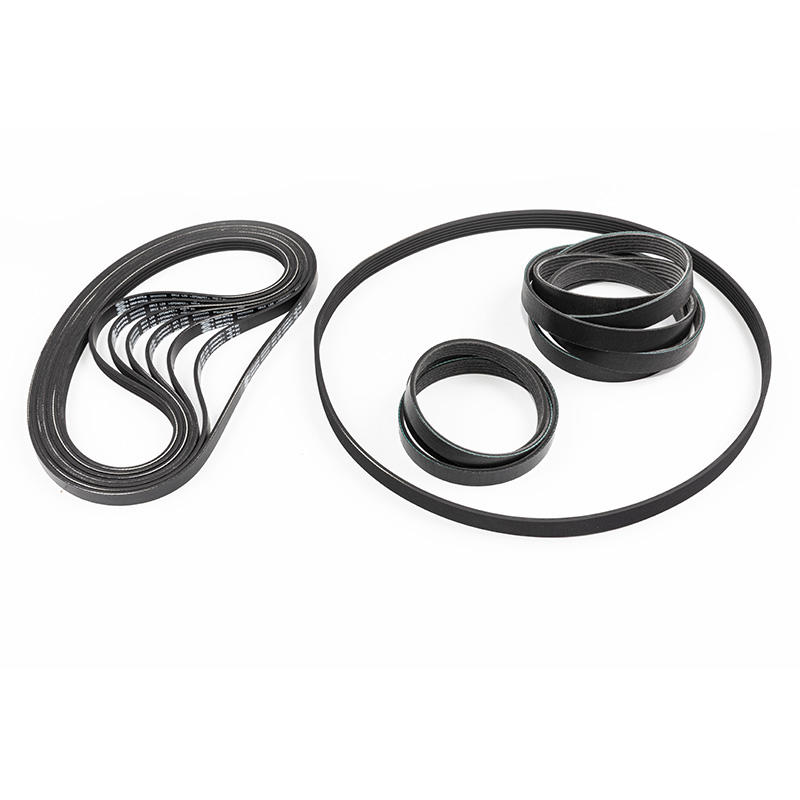
The unique ribbed design of the Automotive V-Ribbed Belt creates multiple contact points with the pu...
View More >>
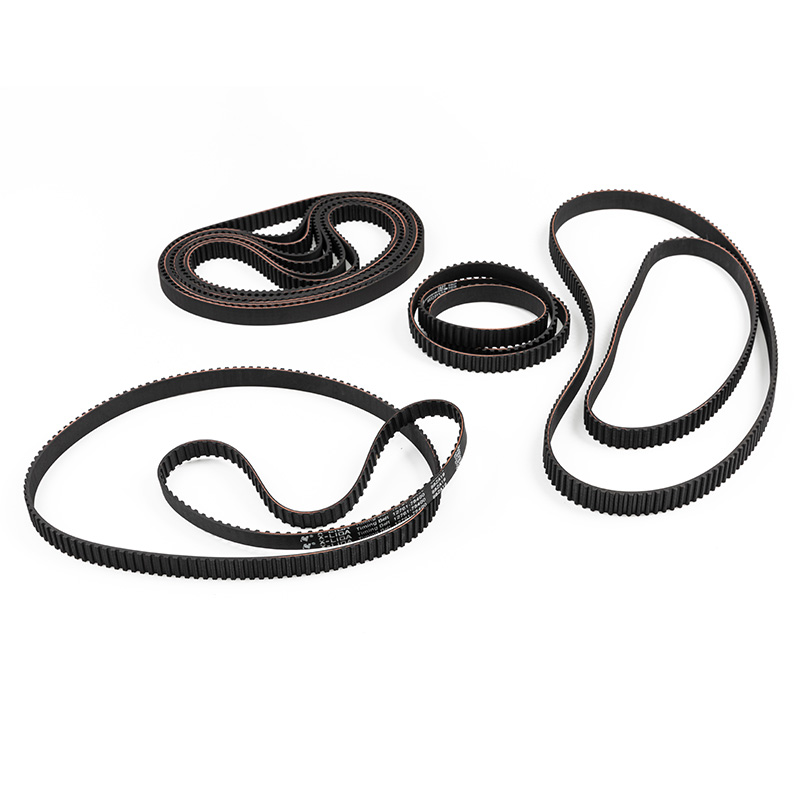
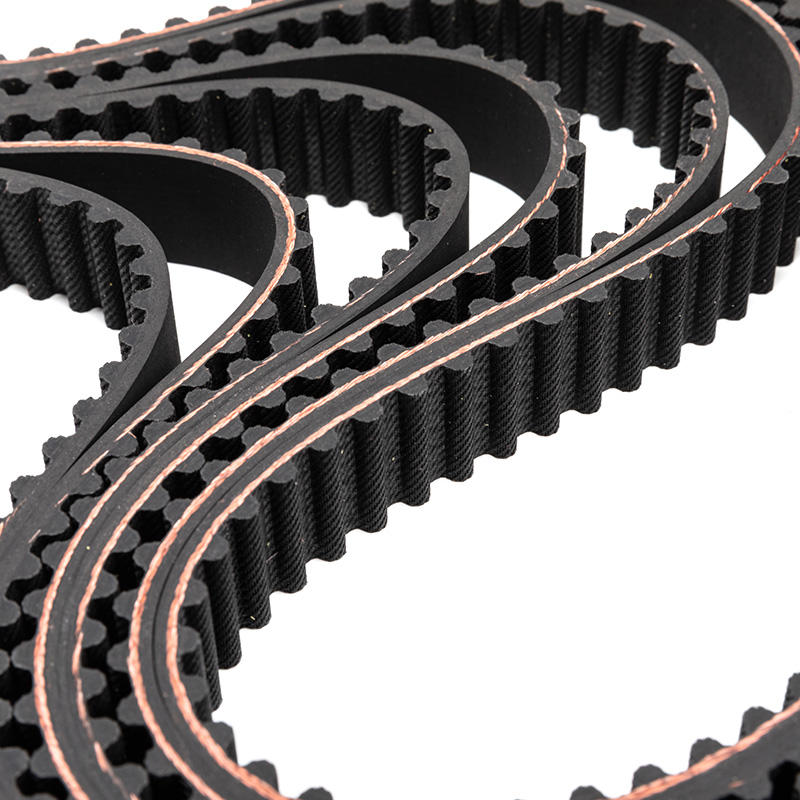
The flexibility of HNBR Rubber Automotive Timing Belts is essential for their adaptability across di...
View More >>
In extremely cold conditions, the rubber material used in Automotive Raw Edge V-Belts undergoes a ch...
View More >>
The raw edge design of the V-belt provides enhanced flexibility, which is a significant advantage in...
View More >>
CR (Chloroprene) rubber is known for its excellent resilience and elasticity, which allow it to effe...
View More >>
Reduced Friction: The unique V-ribbed design of these belts creates a higher surface contact area be...
View More >>
Raw edge V-belts are specifically engineered to provide superior power transmission compared to trad...
View More >>
Increased Surface Area: The unique ribbed design of automotive V-ribbed belts is engineered to provi...
View More >>